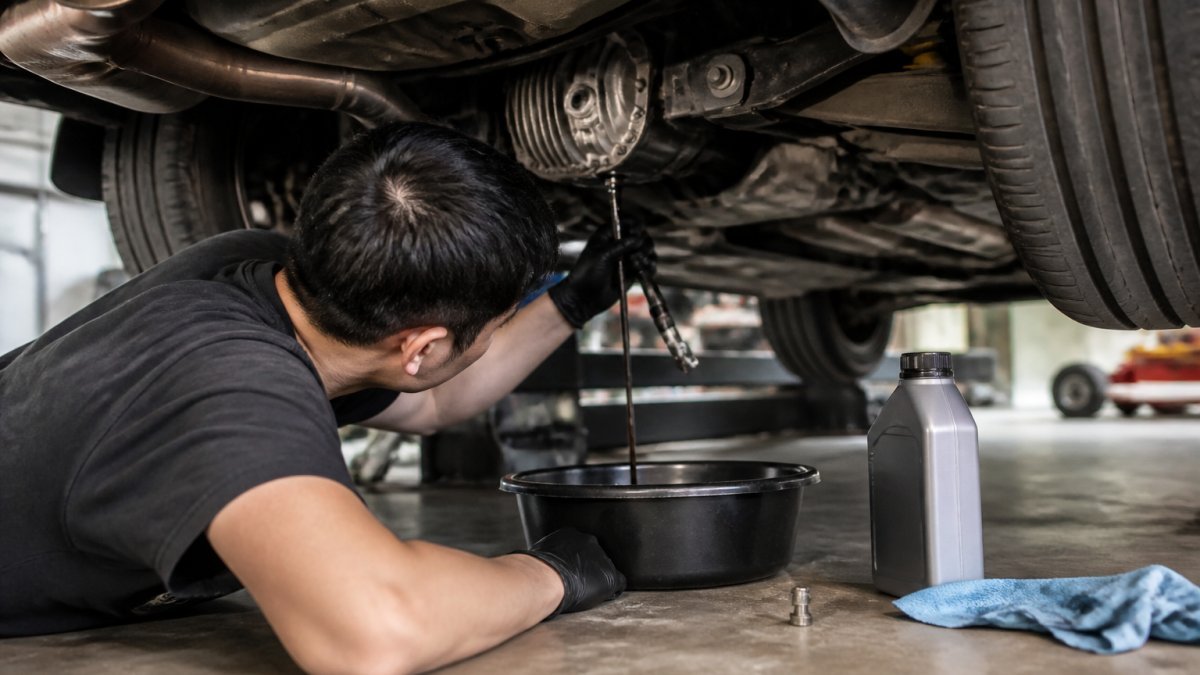
Subjecting a vehicle to track conditions imposes significantly greater thermal and mechanical strain on the differential compared to standard street operation. High-speed cornering and sustained acceleration cause operating temperatures to spike rapidly, accelerating fluid breakdown, increasing friction, and risking internal gear damage or mid-session mechanical failure. Routine fluid changes before heading to the track ensure that the differential operates with maximum cooling capacity and full lubrication viscosity.
Differential fluid serves as both a lubricant for internal gears and a heat dissipation medium. On the circuit, rapid heat buildup breaks down chemical additives and allows microscopic metal particulates to collect in the casing. While many enthusiasts neglect unseen drivetrain components, servicing the differential prior to an event ensures thermal stability, while post-track inspections help detect early signs of fluid degradation and internal wear.
Digital service records, such as AI-powered logging platform, enable enthusiasts to track fluid types, service dates, and the precise number of track sessions completed. Maintaining documented maintenance logs preserves mechanical reliability during track car builds and provides verifiable service history when transferring vehicle ownership. Some policies offer discounts for documented maintenance, for insurance purposes. With, organizing this history becomes effortless.
Why Differential Fluid Matters on the Track
Changing differential fluid prior to a track event offers essential operational benefits
- Fresh fluid provides complete viscosity retention and optimal heat absorption.
- Thermal dissipation remains at peak efficiency during high-stress driving.
- The risk of catastrophic differential failure under heavy load is minimized.
Post-event evaluation relies on careful fluid monitoring
- Examine drained or checked fluid for dark discoloration and thermal contamination.
- Schedule an immediate fluid replacement before the next event if burnt odors or heavy darkening are detected.
- Avoid running consecutive track weekends without conducting a thorough fluid inspection.
A practical maintenance schedule involves changing the differential fluid one to two weeks before a scheduled track day, allowing sufficient driving time to check for leaks and verify fluid levels. Service frequency should always match vehicle configuration, track intensity, and annual driving volume.
Differential Fluid Change Before or After Track Day: Timing Your Service
Performing a differential fluid service prior to a track day is the recommended approach. Fresh fluid offers maximum film strength and thermal capacity when the vehicle is subjected to peak driving stress. Drivers who participate in multiple events per season should perform regular pre-event changes paired with post-event fluid evaluations to ensure continued component protection.
Track Day Differential Fluid Change Interval: When to Service
Establishing an appropriate fluid service interval depends on the manufacturer’s baseline recommendation, the operational intensity of the track sessions, and the internal differential design.
Factory service manuals typically recommend changing differential fluid every 30,000 to 50,000 miles for street vehicles, with longer intervals occasionally noted for standard open units. Severe track usage compresses these intervals significantly Changing differential fluid is straightforward for anyone comfortable under a vehicle: basic tools and about 30-45 minutes.
- Light Track Use (1–2 events annually)Adhere to factory street intervals, but inspect fluid quality after every track day and replace if contamination appears.
- Moderate Track Use (4–6 events annually)Reduce factory intervals by half. Change fluid every 15,000 to 25,000 miles or once per year, whichever comes first, while performing inspections before and after each session.
- Severe Track Use (8+ events annually or consecutive race weekends)Replace differential fluid every 5,000 to 10,000 miles or prior to every second track event. Monitor fluid temperature closely if the vehicle is equipped with a differential temp gauge.
Limited-slip differentials (LSDs) require more frequent service because their internal friction modifiers break down rapidly under sustained heat and stress. LSD service intervals should be shortened by 25% to 50% compared to standard open differentials.
Inspecting Differential Fluid Before Track Use
A five-minute visual and olfactory fluid check before an event can identify critical mechanical issues early
- Fresh differential fluid appears clear with an amber or golden-brown hue.
- Dark brown or black fluid signals severe thermal breakdown and contamination.
- Milky or cloudy fluid indicates moisture contamination; do not operate the vehicle under track conditions.
- Replace any fluid that shows compromised color or clarity prior to track driving.
Evaluate fluid condition using additional physical indicators
- Unused fluid exhibits a mild, mineral oil scent.
- A distinct burnt odor indicates extreme operational heat and fluid failure.
- A sharp chemical smell indicates advanced additive breakdown.
- Trust sensory indicators—if the fluid smells or looks degraded, perform a fluid change immediately.
To inspect physical fluid level and particulate buildup, perform the following check
Carefully remove the fill plug from the differential housing. Fluid should sit level with the lower lip of the fill port. If the level is low, top it off and inspect the housing for external fluid leaks. Wipe the dipstick or plug magnet with a clean rag to inspect particulate accumulation; fine metallic dust is normal during breaking periods, but large metallic flakes indicate severe internal wear. If heavy metal debris is present, change the fluid immediately and inspect internal gears for damage. Step 9: Lower the vehicle Remove the jack stands carefully.
After completing a brief test drive, touch the differential housing using a protective shop rag. The casing should feel warm to the touch; extreme surface heat indicates thermal breakdown or excessive internal friction. If there is any doubt regarding fluid integrity, replacing the fluid is a low-cost preventive measure compared to major mechanical overhauls. You’ve tightened enough, if you feel resistance.
How to Change Differential Fluid: Step-by-Step Instructions
What You’ll Need
- Hydraulic jack and rated jack stands (or an lift)
- Fluid drain pan with a minimum capacity of 3 quarts
- Fresh differential fluid matching exact manufacturer viscosity and specification requirements
- Gasket scraper or stiff nylon brush
The Change Process
Always consult the owner’s manual for precise fluid specifications, capacity, and viscosity ratings before starting. Using incorrect oil formulations can cause irreversible gear and clutch pack damage.
Follow this step-by-step procedure
- Prepare the vehicleDrive the car for 5 to 10 minutes to warm the differential fluid, allowing it to drain cleanly.
- Lift and supportSecurely elevate the vehicle on a flat surface using a floor jack and position safety jack stands underneath designated frame points.
- Drain the old fluidPlace a drain pan directly beneath the housing, remove the drain plug, and allow the old fluid to drain fully for 10 to 15 minutes.
- Inspect the drain plugCheck the magnetic drain plug for collected metal debris. A minor film of fine metallic dust is normal.
- Reinstall the drain plugClean the threads, fit a new crush washer if required, and thread the plug back into the differential housing.
- Fill with new fluidRemove the side fill plug and pump fresh fluid into the housing until it reaches the lower edge of the fill hole.
- Reinstall the fill plugThread the fill plug back into position, torque securely, and wipe away residual fluid from the casing.
- Lower the vehicleCarefully lift the car off the jack stands and lower it back to the ground. Re-torque wheel lug nuts if wheels were removed.
- Test and verifyStart the engine, take a gentle test drive, and listen closely for abnormal whining or clunking sounds coming from the rear axle assembly.
Allow the differential to cool after the initial test drive. Fresh fluid requires a short circulation cycle under low load to achieve full operational distribution across gear surfaces.
Track Day Car Maintenance Checklist: Beyond Differential Fluid
Differential servicing is one part of comprehensive track preparation. Ensure all major vehicle systems are inspected prior to high-speed driving
- Check tire pressures, tread depth, and overall rubber condition.
- Inspect brake pad thickness and verify brake fluid moisture levels.
- Check engine oil level and clarity.
- Inspect engine coolant level and radiator hose integrity.
- Verify seatbelts, harnesses, and safety gear installation.
- Inspect differential fluid level, color, and housing seal integrity.
- Examine suspension linkage, ball joints, and control arm fasteners.
- Confirm wheel lug nuts are torqued to factory specifications.
- Replace engine oil and oil filter prior to severe track use.
- Inspect brake rotors for heat cracking, scoring, or thermal warping.
- Check transmission fluid condition and level.
- Inspect suspension bushings and sway bar end links for play.
For vehicles undergoing repeated track events across a season, establish structured milestone checks
Every 4–6 Track Events or Annually
- Conduct a comprehensive inspection of all suspension mounting points.
- Test battery charge, hold-down brackets, and terminal connections.
- Check and top off all underlying vehicle fluid reservoirs.
Every 8–12 Track Events or Before Major Competition
- Inspect transmission casing for fluid leaks and check shift engagement.
- Examine differential casing for fluid weeping or abnormal gear noise.
- Verify torque values on all critical chassis and drivetrain fasteners.
- Pressure test the engine cooling system for high-pressure leaks.
Adjust maintenance frequency according to driving style and track topology. Sustained high-rpm driving on high-speed road courses causes faster fluid degradation than short, low-speed technical circuits.
Common Mistakes to Avoid When Servicing Differential Fluid
Prevent preventable mechanical failures by avoiding these common servicing mistakes They’re inexpensive and prevent frustration.
- Mistake 1: Using the wrong fluid type.Differential designs require specific fluid formulations and friction modifiers.FixVerify fluid specs in the owner’s manual or on the differential housing label before purchase.
- Mistake 2: Overfilling or underfilling.Excessive fluid causes pressure buildup and fluid aeration, while low fluid causes overheating.FixFill fluid precisely to the bottom edge of the fill port.
- Mistake 3: Ignoring contamination.Overlooking metallic flakes or milky fluid leads to severe differential failure on track.FixHave a qualified technician inspect the assembly if severe contamination is present.
- Mistake 4: Reusing old crush washers.Used crush washers frequently leak under heat and pressure.FixInstall a brand-new crush washer every time the drain plug is removed.
- Mistake 5: Draining cold fluid.Cold, viscous fluid drains slowly and leaves suspended contaminants behind.FixDrive the vehicle gently for 5 to 10 minutes to warm the oil prior to draining.
- Mistake 6: Overtightening drain or fill plugs.Excessive torque strips aluminum casing threads, leading to costly repairs.FixTighten plugs firmly until seated against the crush washer without over-torquing.
- Mistake 7: Relying on arbitrary service intervals.Changing fluid randomly leads to wasted money or unexpected mechanical failures.FixEstablish factory street intervals as a baseline, scale service intervals based on track intensity, and maintain written logs.
Organizing Your Track Day Maintenance History
Detailed maintenance tracking transforms vehicle ownership, ensuring timely component servicing and eliminating guesswork during build planning. Complete service logs should capture
- Exact brand, viscosity, and fluid volume used.
- Service provider details (DIY or professional shop).
- Observed condition of used fluid upon drainage.
- Noted mechanical concerns or wear patterns.
Comprehensive service documentation preserves vehicle resale value by showing prospective buyers proof of rigorous maintenance. When building project cars, precise service records ensure critical tasks are not forgotten amid ongoing chassis modifications. Comprehensive logs are also useful for insurance verification and policy compliance.
Using digital tracking platforms like simplifies history logging. Enthusiasts can upload component receipts, track exact fluid specifications, and receive automated maintenance alerts based on elapsed time or accumulated mileage. AI-driven system analysis helps drivers adjust service schedules dynamically as track frequency changes over time.
Frequently Asked Questions
Should you change differential fluid before or after a track day?
Differential fluid should be changed prior to a track day to ensure internal components benefit from maximum lubrication and cooling under heavy load. If running multiple sessions throughout a season, inspect fluid quality after every event and replace it immediately if it shows signs of thermal darkening or a burnt odor.
How often should you change differential fluid if you do track days?
Track driving accelerates fluid breakdown due to continuous heat exposure. Standard factory street intervals of 30,000 to 50,000 miles should be reduced to 15,000 to 25,000 miles for moderate track use (or every 4 to 6 track sessions). For severe track use, change the fluid every 5,000 to 10,000 miles or before every other event.
What are signs that your differential fluid needs changing?
Dark or burnt-smelling fluid signals advanced thermal degradation. Excessive metal shavings or sludge in the casing indicate accelerated component wear, while rear-axle whining or grinding under acceleration points to lubrication failure. Inspect differential fluid monthly during the driving season and fix housing leaks immediately.
Can you drive the car normally after changing differential fluid?
Yes, but drive gently for the first 10 to 15 miles to allow fresh fluid to fully circulate across internal bearings and gear sets. Avoid sudden wide-open throttle acceleration or aggressive cornering immediately after a fluid swap. If servicing the vehicle before a track event, perform the fluid change at least 24 hours in advance and complete a short test drive to verify assembly integrity.
Important Details
- If something seems wrong, it probably is, trust your nose.